AI in Digital Marketing – A Practical Introduction for Modern Businesses
By Govind · 13 Feb 2026

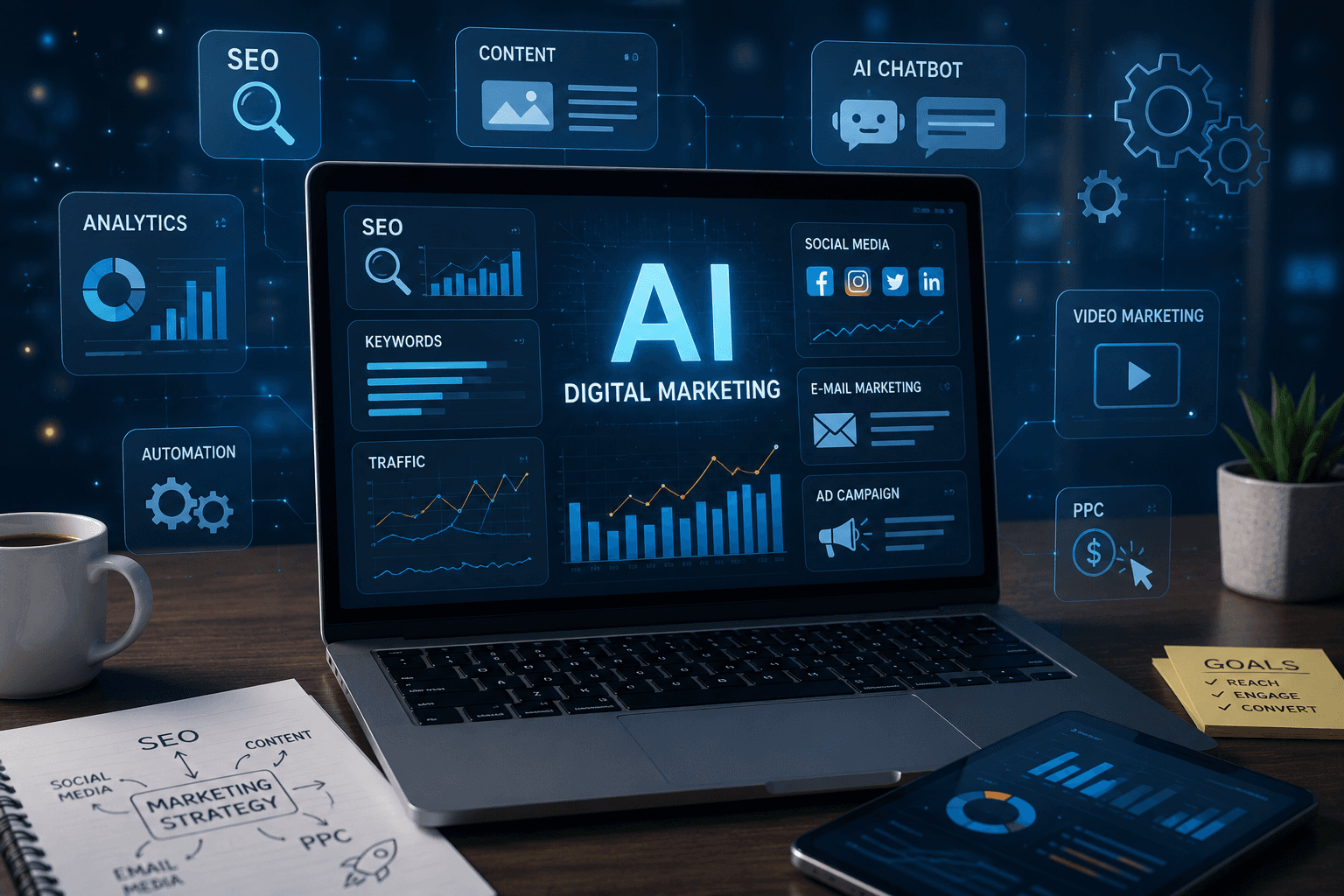
Digital marketing is not what it was five years ago. Even two years ago, things were different. The strategies that worked earlier are now outdated. Customer behavior has changed. Platforms have changed. And the biggest reason behind this shift is artificial intelligence. Today, marketing is no longer just about creativity and budget. It’s about data. It’s about understanding patterns. It’s about predicting behavior before it even happens. And this is exactly where AI in Digital Marketing has started playing a major role.
At Brand Name Course Unbox, we have worked with learners, founders, and marketing teams who were struggling with performance drops, rising ad costs, and low engagement. Once we introduced AI-driven tools into their workflow, the difference was clear. Better targeting. Better personalization. Better decisions.
How AI is Transforming the Digital Marketing Industry
Let’s talk practical. Not theory. Artificial intelligence is not replacing marketers. It is helping them make smarter decisions faster. And that is the real shift.
1. Data Is No Longer Overwhelming
Earlier, marketers collected data but didn’t fully use it. Google Analytics reports. Ad dashboards. CRM insights. Social media numbers. Everything was available — but too much to process manually .Now, AI tools analyze thousands of data points in seconds. They show patterns. They highlight what’s working and what’s not. They even suggest improvements. Instead of spending hours creating reports, marketers can focus on strategy. This shift alone is saving companies time and money.
2. Smarter Targeting (Not Just Broad Targeting)
You run ads.
You hope it works.
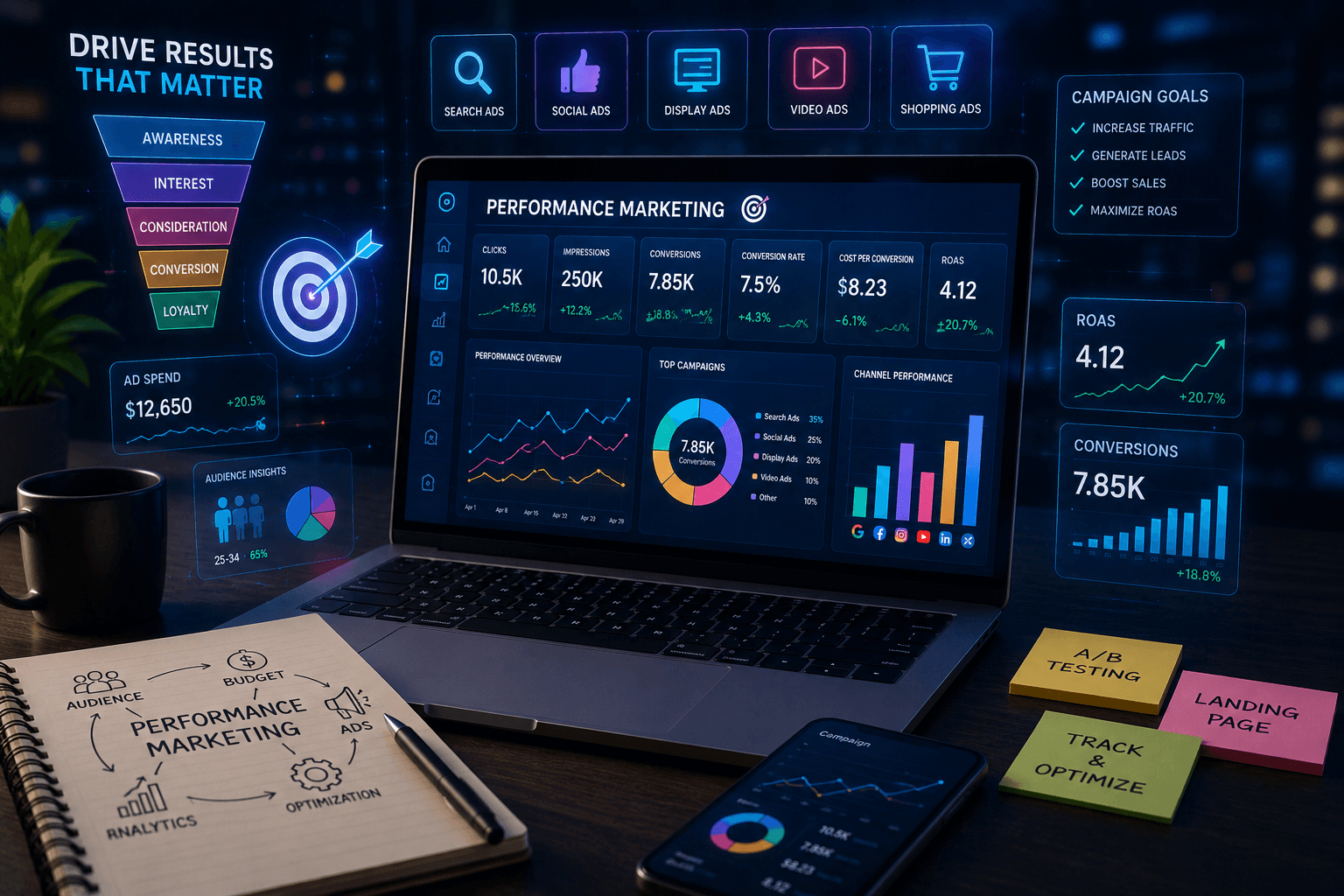
Now, intelligent systems analyze user behavior — what they search, what they click, how long they stay, what they ignore. Based on this, campaigns are optimized automatically.
This means:
- Ads are shown to high-intent users.
Budgets are spent more efficiently.
Conversions improve.
3. Personalization at Scale
Websites can show different content to different users. Emails can change based on past behavior. Product recommendations are automatically customized. This level of personalization was almost impossible to manage manually .And when users feel understood, they engage more.
4. Automation Without Losing Creativity
5. Content and SEO Are Becoming Smarter
- Keyword analysis
Search intent understanding
Content gap research
Optimization suggestions
This doesn’t mean content should feel robotic. It means content should be structured properly and aligned with what users are actually searching for.At Brand Name Course Unbox, we always teach that tools assist — but human insight leads. That combination works best.
6. Chatbots and Real-Time Interaction
- Basic queries
Appointment bookings
Lead collection
Product information
This improves customer experience without increasing manpower cost. But again, sensitive conversations still need a human touch. Smart brands know where to automate and where to stay personal.
AI Powered Marketing Tools That Are Actually Useful
- Predictive analytics platforms
AI-based CRM systems
Automated email marketing software
Programmatic ad platforms
Social listening tools
Content optimization platforms
If tools are disconnected, they create confusion. If they are aligned with business goals, they create growth. In our experience working with different campaigns, the biggest improvement happens when AI tools are connected with proper strategy and clear KPIs.
Tools alone do not create results. Systems do.
Challenges You Should Not Ignore
Data Privacy
Brands must:
- Be transparent
Use consent-based data
Protect customer information
Over-Automation
Too much automation can make a brand feel robotic. People still connect with people. Automation should enhance communication, not replace authenticity.
Skill Gap
Many marketers still don’t understand how AI works. They use tools but don’t interpret the insights correctly. Learning is necessary.
This is why structured digital education matters. Understanding fundamentals first — then integrating AI — works best.
Future of AI in Digital Marketing 2026
Now let’s talk about what’s coming next. The future of AI in digital marketing 2026 is not about basic automation. It will be about deeper intelligence and stronger integration.
Here’s what we expect:
1. Hyper-Personalized Experiences
Websites will adapt in real time. Landing pages will change based on user behavior instantly. Offers will be dynamically adjusted.
2. Predictive Campaign Planning
Before launching campaigns, AI will simulate possible outcomes. Marketers will know estimated performance before spending full budget.
3. Voice and Visual Search Optimization
More users are searching through voice and images. Marketing strategies will adapt to conversational queries. SEO will become more intent-focused than keyword-focused
4. AI + Sales Integration
Marketing and sales data will merge more deeply. Lead scoring will be more accurate .Sales teams will know which prospects are ready to convert. This alignment will shorten sales cycles.
Why Brands Must Start Now
Businesses that adopt intelligent systems early build better customer understanding. They move faster. They test faster. They optimize faster .But implementation must be thoughtful .At Brand Name Course Unbox, we always say — do not chase trends blindly. Understand your business goals first. Then implement tools that support those goals.
Marketing fundamentals remain important:
- Clear messaging
Strong positioning
Audience understanding
Value-driven content
Conclusion
Digital marketing is evolving rapidly, and businesses that adapt intelligently will lead the market. AI in Digital Marketing is no longer a futuristic concept. It is already shaping how brands analyze data, personalize experiences, automate workflows, and optimize campaigns .The future of AI in digital marketing 2026 will bring deeper personalization, smarter predictions, and stronger integration across platforms. But success will depend on how responsibly and strategically businesses implement these technologies.
Technology alone does not create growth. Strategy does. Experience does. Continuous learning does. And when human creativity combines with intelligent systems, that’s when real marketing transformation happens. If you understand this balance, you are already ahead.
Risk will reduce.